Source Oversized Baggy Cargo Pants for Daily, Gym, and Leisure Use
Explore 30 listings for oversized baggy cargo pants featuring loose fits, drawstring waists, and durable polyester or canvas materials. Compare customization options, fabric blends, and pricing to find suitable wholesale suppliers for casual and active wear; compare the available evidence and request quotations based on your requirements.
Key considerations
Products List


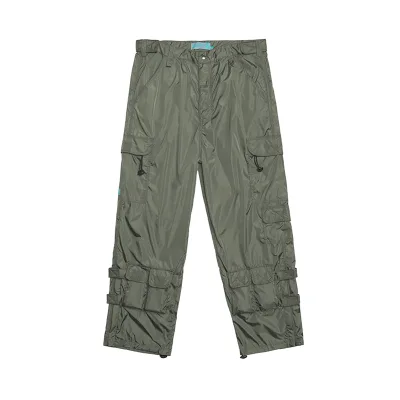
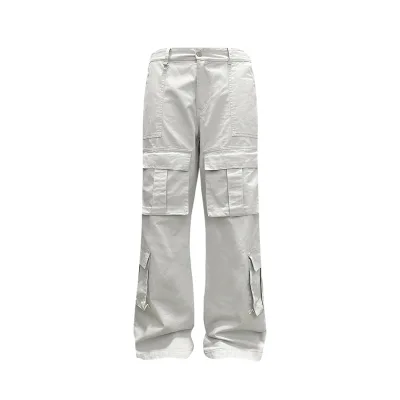


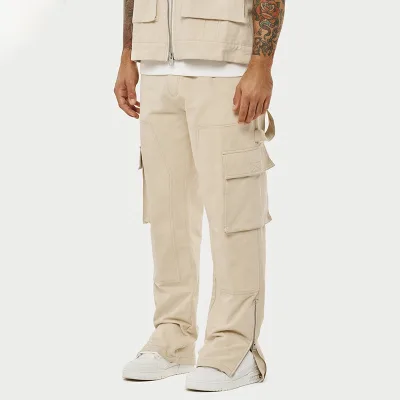

Comprehensive Sourcing Guide
Oversized Baggy Cargo Pants Sourcing Guide
Sourcing oversized baggy cargo pants requires a strategic balance between aesthetic trends and functional durability, particularly given the diverse material compositions observed in current market listings. Buyers must navigate a landscape where fabric choices range from standard blends to specialized durable outdoor fabrics, directly impacting the garment’s drape, weight, and suitability for specific use cases. The observed product data indicates a strong emphasis on customization, with many suppliers offering OEM services and flexible standard definitions, which allows brands to tailor the final product to their specific identity. However, this flexibility also introduces complexity in quality control, as the "free size" and "loose fit" attributes require precise pattern grading to ensure consistency across large production runs.
The procurement process is further complicated by the wide variance in minimum order quantities (MOQ) and packaging standards, which can significantly affect initial capital expenditure and logistics planning. While some listings suggest an MOQ of 10,000 pieces, others accommodate smaller batches starting at 100 pieces, catering to both large-scale retailers and emerging independent labels. Understanding these commercial terms is crucial for aligning procurement strategies with inventory risk tolerance. Additionally, the presence of specific design elements like buckled belts, side pockets, and drawstring waists necessitates clear technical specifications to avoid miscommunication with manufacturers, ensuring that the final product meets the intended stylistic and functional requirements of the target audience.
Product Scope and Observed Listing Signals
The current market for oversized baggy cargo pants exhibits a broad spectrum of stylistic interpretations, ranging from casual leisure wear to more structured suit-style garments intended for gym or daily use. Observed listings highlight key attributes such as loose fits, straight cuts, and vintage features, which appeal to a unisex demographic seeking comfort and versatility. The color palette is predominantly neutral, with gray, black, and army green being the most frequently cited options, allowing for easy integration into existing wardrobe collections. These visual signals suggest that buyers should prioritize suppliers who demonstrate versatility in design execution, as the "baggy" silhouette can vary significantly in terms of volume and proportion depending on the specific pattern drafting techniques employed by the manufacturer.
Material composition is a critical differentiator in this product category, with suppliers offering options such as polyester, nylon blends, canvas, and cotton. The choice of fabric directly influences the garment’s performance characteristics, such as breathability, durability, and ease of maintenance. For instance, durable outdoor fabrics are suitable for rugged use, while cotton blends may offer superior comfort for everyday wear. Buyers must carefully evaluate these material specifications against their target market’s expectations, as the "blend" category can encompass a wide range of fiber ratios that affect both cost and quality. Additionally, the presence of features like side pockets and specific waist designs, such as buckled belts or drawstrings, adds functional value but requires precise implementation to maintain the intended aesthetic and structural integrity of the oversized fit.
Technical Specifications to Verify
Verifying technical specifications is essential to ensure that the oversized baggy cargo pants meet the desired fit and functional requirements, particularly given the variability in size definitions across different suppliers. Buyers should confirm whether the "free size" or specific size ranges (S, M, L, XL, 2XL) align with their target demographic’s sizing standards, as inconsistencies can lead to high return rates. The pants length, typically listed as long or full-length, must be measured accurately to ensure proper proportion relative to the loose fit, preventing issues such as excessive bunching at the ankles. Additionally, the waist design, whether it features a buckled belt or a drawstring, should be tested for durability and ease of adjustment, as these elements are central to the garment’s comfort and security during wear.
Fabric weight and construction details are equally important technical aspects that require rigorous verification to maintain product quality. Buyers should request detailed fabric specifications, including fiber content percentages and weight per square meter, to assess the garment’s durability and drape. The presence of features like side pockets and custom labels or tags should be inspected for secure attachment and aesthetic alignment with the overall design. Furthermore, the packaging method, whether in OPP bags, poly bags, or customized packaging, should be evaluated for its ability to protect the garment during transit and its suitability for retail display. Ensuring that all technical specifications are clearly defined in the purchase order will help mitigate risks associated with production errors and ensure consistency across batches.
Compliance and Safety Documentation
Compliance and safety documentation are critical components of the sourcing process, ensuring that the oversized baggy cargo pants meet international regulatory standards and ethical manufacturing practices. Buyers should verify that suppliers adhere to relevant chemical safety standards, such as OEKO-TEX, which certifies that the fabrics are free from harmful substances, thereby protecting both the consumer and the environment. Although specific certification statuses may vary, it is essential to request documentation that confirms the absence of restricted chemicals in the dyes and finishes used in the garment production. This verification is particularly important for products intended for sensitive demographics or those marketed with eco-friendly claims, as non-compliance can lead to legal liabilities and brand reputation damage.
In addition to chemical safety, buyers must ensure that suppliers comply with labor standards and ethical manufacturing practices, which are increasingly scrutinized by consumers and regulatory bodies. This includes verifying that the manufacturing facilities adhere to fair labor practices, safe working conditions, and reasonable working hours. Documentation such as social compliance audits or certifications from recognized bodies can provide assurance that the production process is ethical and sustainable. Buyers should also confirm that the suppliers have robust quality management systems in place, such as ISO 27001 for information security, to protect proprietary designs and customer data. By prioritizing compliance and safety, buyers can mitigate risks and build a trustworthy supply chain that aligns with modern consumer expectations.
Cost Drivers and Commercial Terms
Cost drivers for oversized baggy cargo pants are influenced by a variety of factors, including material selection, customization requirements, and order volume. The choice of fabric, such as durable outdoor fabrics versus standard cotton blends, significantly impacts the base cost, with specialized materials often commanding a premium. Customization services, such as custom labels, tags, and logos, add additional costs due to the setup and production time required for these personalized elements. Buyers should carefully evaluate these cost drivers to determine the most cost-effective options that still meet their quality and branding requirements, ensuring that the final product remains competitive in the market.
Commercial terms, including minimum order quantities (MOQ) and payment conditions, play a crucial role in the overall procurement strategy. The observed MOQ range, from 100 to 10,000 pieces, offers flexibility for buyers with varying inventory needs, but higher volumes typically result in lower per-unit costs. Buyers should negotiate favorable payment terms, such as partial upfront payments and balance upon shipment, to manage cash flow effectively. Additionally, lead times and shipping methods should be clearly defined to avoid delays and ensure timely delivery to the market. By understanding and optimizing these commercial terms, buyers can enhance their profitability and maintain a agile supply chain that responds quickly to market demands.
Supplier Qualification and Quality Control
Supplier qualification is a foundational step in the sourcing process, requiring a thorough assessment of the manufacturer’s capabilities, reputation, and reliability. Buyers should evaluate suppliers based on their experience in producing oversized baggy cargo pants, their ability to meet customization requests, and their track record of delivering consistent quality. Requesting samples and conducting factory audits can provide valuable insights into the supplier’s production processes, quality control measures, and overall operational efficiency. It is also important to verify the supplier’s capacity to handle large orders without compromising quality, as this ensures scalability and reliability in the long term.
Quality control measures must be implemented throughout the production process to ensure that the final product meets the specified standards. Buyers should establish clear quality criteria, including fabric quality, stitching integrity, and fit accuracy, and conduct regular inspections during production and before shipment. Implementing a robust quality assurance system, such as pre-production, during-production, and pre-shipment inspections, can help identify and rectify issues early, reducing the risk of defects and returns. Additionally, buyers should maintain open communication with suppliers to address any concerns promptly and ensure that any necessary adjustments are made in a timely manner. By prioritizing supplier qualification and rigorous quality control, buyers can minimize risks and ensure that the oversized baggy cargo pants meet their high standards.
Long-Term Procurement Checks
Long-term procurement checks are essential for maintaining a sustainable and efficient supply chain, ensuring that the relationship with suppliers remains productive and mutually beneficial. Buyers should regularly review supplier performance metrics, such as on-time delivery rates, quality consistency, and responsiveness to issues, to identify areas for improvement. Conducting periodic audits and feedback sessions can help strengthen the partnership and address any emerging challenges proactively. Additionally, staying informed about market trends and consumer preferences allows buyers to adapt their procurement strategies accordingly, ensuring that the oversized baggy cargo pants remain relevant and competitive in the evolving fashion landscape.
Continuous improvement and innovation are key to long-term success in the sourcing of oversized baggy cargo pants. Buyers should encourage suppliers to adopt new technologies and sustainable practices that enhance product quality and reduce environmental impact. This may include exploring eco-friendly materials, optimizing production processes to reduce waste, and implementing digital tools for better supply chain visibility. By fostering a culture of continuous improvement, buyers can drive value creation and build a resilient supply chain that can withstand market fluctuations. Regularly reassessing procurement strategies and supplier relationships ensures that the business remains agile and responsive to changing consumer demands, securing a competitive edge in the long run.
FAQs
Can I customize oversized baggy cargo pants with my own logo?
Yes, customization is available for these pants. Buyers can request custom labels, tags, or logos to be added to the garments. The products support OEM services, allowing for brand-specific modifications. This ensures that the final items align with your brand identity and specific design requirements for bulk orders.
What materials are used for these oversized baggy cargo pants?
These pants are crafted from various durable materials including polyester, nylon, canvas, and cotton blends. The specific fabric choice depends on the model, with options ranging from standard blends to specialized outdoor fabrics. This variety allows buyers to select the material that best suits their intended use and comfort preferences.
What is the minimum order quantity for these cargo pants?
The minimum order quantity varies by supplier and product model. Observed MOQs range from 2 pieces for sample orders up to 5000 pieces for bulk production. Some specific models list an MOQ of 100 pieces, while others may require 10,000 pieces. Buyers should check the specific listing for exact requirements.
What sizes are available for these loose fit cargo pants?
Size options include Free Size as well as standard sizing like S, M, L, XL, and 2XL. The fit is generally described as loose or straight, catering to a casual and comfortable style. Buyers can choose the size that best fits their target audience, with many models offering a range of standard measurements.
Are these pants suitable for gym or daily casual wear?
Yes, these pants are designed for multiple occasions including gym use and daily casual wear. Features like breathable fabric, comfortable fit, and versatile styles such as casual or leisure make them suitable for active and relaxed settings. The durable outdoor fabric options also provide functionality for various daily activities and light exercises.
How are the oversized baggy cargo pants packaged for shipping?
Packaging methods include OPP bags, poly bags, or customized packaging options. Each piece is typically packed individually, such as one piece per poly bag. Buyers can often request specific packaging standards to meet their logistical needs, ensuring the products are protected during transit and ready for retail display or direct distribution.